BRISBANE & ONLINE IN AUSTRALIA
Social Work Supervision
Reflective supervision and wellbeing support for social workers, who want to work in ways that are deeply human.
You spend your days helping other people make sense of their experiences. Supervision is your space to have someone walk alongside you while you make sense of your own experience as a practitioner.
TRAUMA-INFORMED, NEURO-AFFIRMING SUPERVISION from a social work, systems, person-in-environment, and intersectional lens.
📍 LOCATION
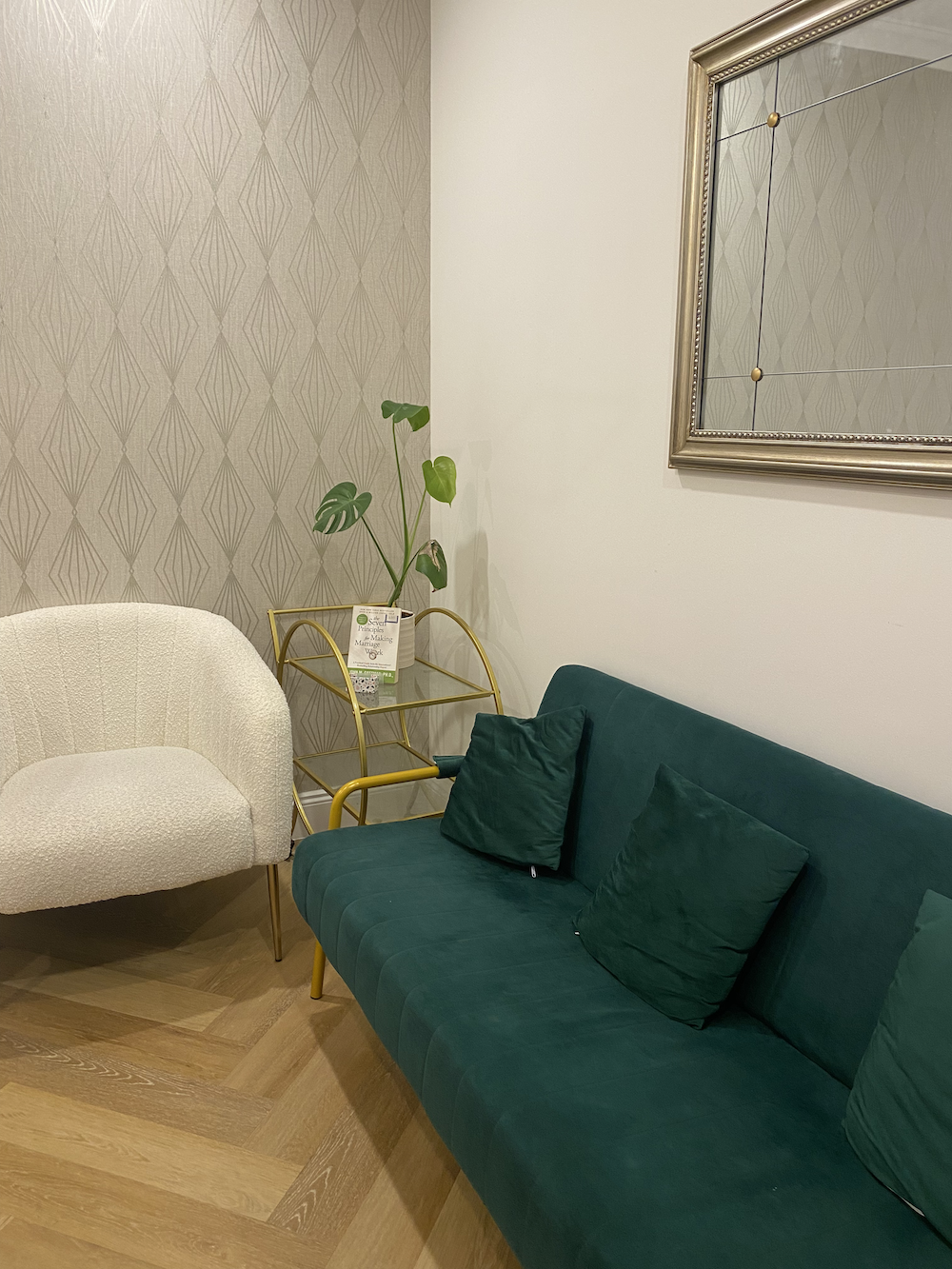
Total Wellness Therapies
Paddington, Brisbane &
Online via video link (AUS)
⭐️ AASW
You can count supervision
toward your annual AASW
CPD requirements.
➡️ SESSION PRICE
60 Min Session: $200 incl GST
90 Min Session: $297 incl GST
(in-person & online sessions)
Reflective Supervision
For deep-feeling, deep-thinking social workers & therapists
Did you become a social worker or therapist because you care deeply about people? Do you care about relationally understanding the person sitting in front of you: their story, their relationships, their strengths, the systems they navigate, and the ways they've adapted to survive?
Perhaps you're early in your career and discovering that real-life practice is far more nuanced than university prepared you for.
Maybe you're working in community services and finding yourself wrestling more with systemic barriers than with the client work itself.
Or perhaps you're beginning to question whether purely cognitive, top-down approaches are enough for the people you support, and how to work experientially, and from bottom-up approaches, as well as working with intersecting identities and experiences.
If you know there's more to good therapy than choosing the "right" intervention, and if you want someone who has walked this path too… to ask curious questions and help you think it all through… Someone to hold relational space for you to be open and reflexive in your practice. And, to find your own answers that align with your values, your heart, and professional role.
That's what this supervision is about.
A space to think, reflect, and grow
Good supervision isn't about someone telling you what to do. It's a collaborative space to slow down, become curious, and develop confidence in your own professional knowledge and judgement.
Together we'll explore client presentations, as well as the therapeutic relationship, your self and the different parts of you that show up in the therapy room, the systems surrounding the work, and the practitioner you're becoming.
Because your greatest therapeutic resource will never be a particular worksheet or technique.
It's you. It’s the therapeutic relationship. And the space you hold for people.
As your confidence grows, so does your capacity to sit with complexity, uncertainty and the deeply human experiences your clients bring into the room.

Experienced & Explorative
With over 15 years’ experience across community services, Employee Assistance Programs, and private practice, I bring experience supporting people through complex life experiences, trauma, mental health challenges, identity exploration and life transitions.
I understand the realities of working within systems that do not always align with our values, the complexity of holding risk and responsibility, and the emotional impact of supporting people through difficult experiences.
In supervision, I draw on this experience to offer a space where you can bring the real work, not just the successes, but the uncertainty, ethical dilemmas, and stuck points.
My role is not to provide all the answers, but to walk alongside you as you develop your own clinical judgement, confidence, and professional identity.
Together, we can explore the complexity of this work while staying connected to curiosity, compassion and the values that first brought you into the profession.

Trauma-Informed & Neuroaffirming
Trauma-informed practice is about learning to see the person beneath the presentation, and recognising the ways experiences, relationships, systems and environments shape how people survive and adapt.
In supervision, we will explore how trauma shows up in the people you support, and the therapeutic relationship.
Together, we may explore how to create greater safety and choice for clients, work with protective responses rather than against them, understand nervous system patterns, and remain curious about what sits beneath behaviours, symptoms and struggles.
We will also make space to consider the impact of trauma work on you, the practitioner. Supporting people through pain, complexity and vulnerability requires care, reflection and opportunities to reconnect with your own resources, values and capacity.

Integrative & Relational
Effective practice honours the complexity of human experience.
While cognitive approaches and clinical frameworks provide valuable tools for understanding thoughts, beliefs and meaning-making, many experiences, particularly trauma, attachment wounds and chronic stress, are also held through the body, emotions, relationships and the nervous system.
In supervision, we will explore how to integrate both top-down and bottom-up approaches into your practice.
This may include developing a deeper understanding of nervous system responses, emotional regulation, somatic awareness, relational safety and the ways people adapt to survive difficult experiences.
Together, we will move beyond simply asking "What intervention should I use?" and explore deeper questions: "What is this person communicating through their behaviour?"; "What are the intersecting realities of this person’s life that contribute to their experiences?"; "How can I respond in a way that supports attunement. self-trust, and agency?"
Who reflective supervision is for
I love working with with social workers and practitioners who are reflective, curious and wanting to develop an integrative, person-centred, and non-pathologising way of practising.
You might be:
An early career social worker looking for support to find your professional identity
A therapist with a social work lens who values context, relationships, intersectionality, and social justice
Working with clients experiencing trauma, complex PTSD, attachment wounds, or emotional neglect
Supporting neurodivergent and LGBTQIA+ folks (non-assessment focus)
Feeling that manualised or purely cognitive approaches don't always meet the complexity of your clients' experiences
Beginning to integrate trauma-informed, somatic, or relational ways of working into your practice
Exploring your professional identity and wanting to discover your own therapeutic style
Considering a move into private practice while remaining grounded in ethical, relational and reflective practice
Space to prioritise your wellbeing as a practitioner
Looking for supervision that feels collaborative rather than hierarchical
BOOK SUPERVISION
Professional Supervision
What we might explore:
Supervision is shaped by your needs, but often includes:
The client
Looking beyond behaviours and symptoms to understand what may be happening underneath.
Exploring trauma, attachment, nervous system responses, protective adaptations, strengths and resilience.
The therapeutic relationship
Reflecting on what unfolds between you and your clients.
Exploring stuck points, relational dynamics, rupture and repair, and how the therapeutic relationship itself becomes part of the healing.
You as the practitioner
Developing confidence in yourself as a social worker and therapist.
Exploring your values, assumptions, emotional responses, boundaries, uncertainty, imposter syndrome, and professional identity.
Understanding your needs and boundaries and how to remain present without carrying everything home.
The wider system
Making sense of the organisational, social and structural contexts that shape people's lives.
Exploring advocacy, ethical dilemmas, systemic barriers, and how to practise with integrity within imperfect systems.

A little about me
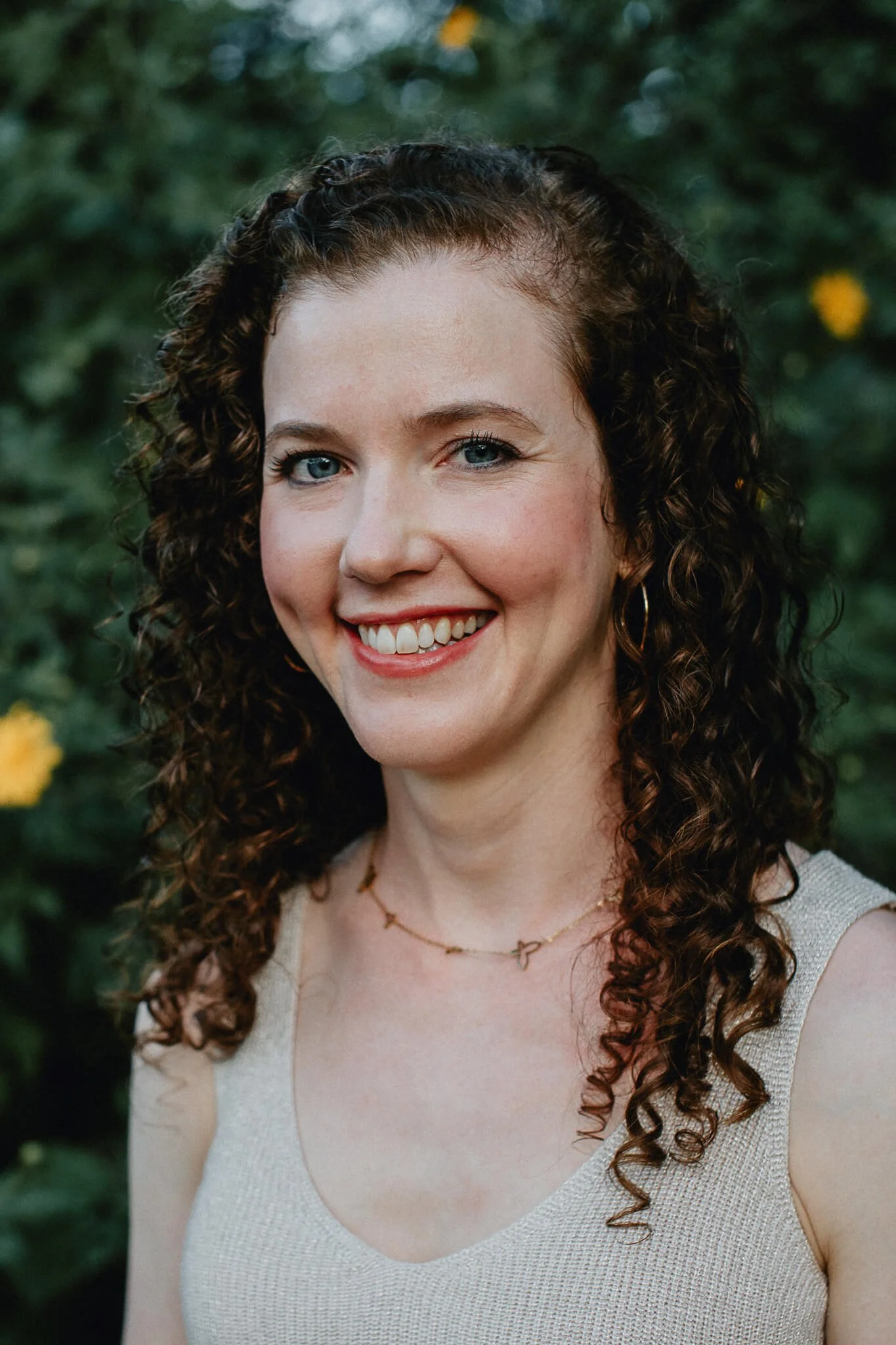
Hi, I’m Jasmin (she/her), & I’m so glad you’ve found your way here.
Social worker (AMHSW), creative, and deep feeling human…
With a warm and compassionate communication style, I strive to make spaces where folks feel comfortable to talk freely without fear of judgement.
I have been a social worker for 15+ years across the Community and Government Sectors, as well as in Private Practice - in ACT, NSW and QLD.
Across this time I have led and managed teams and programs, delivered a wide range of services from 24/7 crisis coronial support, counselling for emergency services personnel, grief and bereavement counselling, suicide postvention support and training, relationship counselling, trauma-informed and diversity-friendly counselling and generalist counselling for a range of experiences.
Also informing our mentoring and supervision conversations are my 5 years of experience as a small business owner.
I don’t hold all the answers, but I’m a creative thinker who has supported many folks over the years, to connect with their hearts, and see through tangled webs of thoughts and feelings, to find their next step forward - and, most importantly, their own answers.

Neuroaffirming, LGBTQIA+ inclusive, & diversity-affirming care
I welcome people of all backgrounds, identities, and ways of experiencing the world and what it is to be human.
I work with neurodivergent and LGBTQIA+ folks, and individuals exploring identity, sexuality, gender, relationship diversity, and belonging.
I acknowledge the broader social, cultural, and systemic experiences that shape mental health and trauma. Many responses we internalise make deep sense within the context of the environments we’ve had to navigate and the social narratives and systems we intersect with.
My approach
My approach to supervision is grounded in social work values, trauma-informed practice and neuroaffirming care.
Rather than focusing solely on interventions, I support practitioners to develop deeper clinical thinking, ethical decision-making and reflective capacity.
Above all, supervision is a space where you don't have to perform. It's a place to bring uncertainty, complexity, questions and curiosity.
My work is informed by approaches including:
Trauma-informed and Neuroaffirming Practice
Relational Therapy
Parts Work
Sensorimotor Psychotherapy, Somatic Therapy, and Experiential Therapy
Polyvagal Theory and nervous system-informed practice
Compassion Focused Therapy
Acceptance and Commitment Therapy (ACT)

Ready to reach out?
Social work supervision is available In-Person (Paddington, Brisbane) + Online (Australia-wide).
Sessions can be either 60 or 90 minutes, depending on your needs and preferences. (For 90 minute sessions, please email me via my contact page or email address).