BRISBANE & ONLINE IN AUSTRALIA
Trauma Counselling
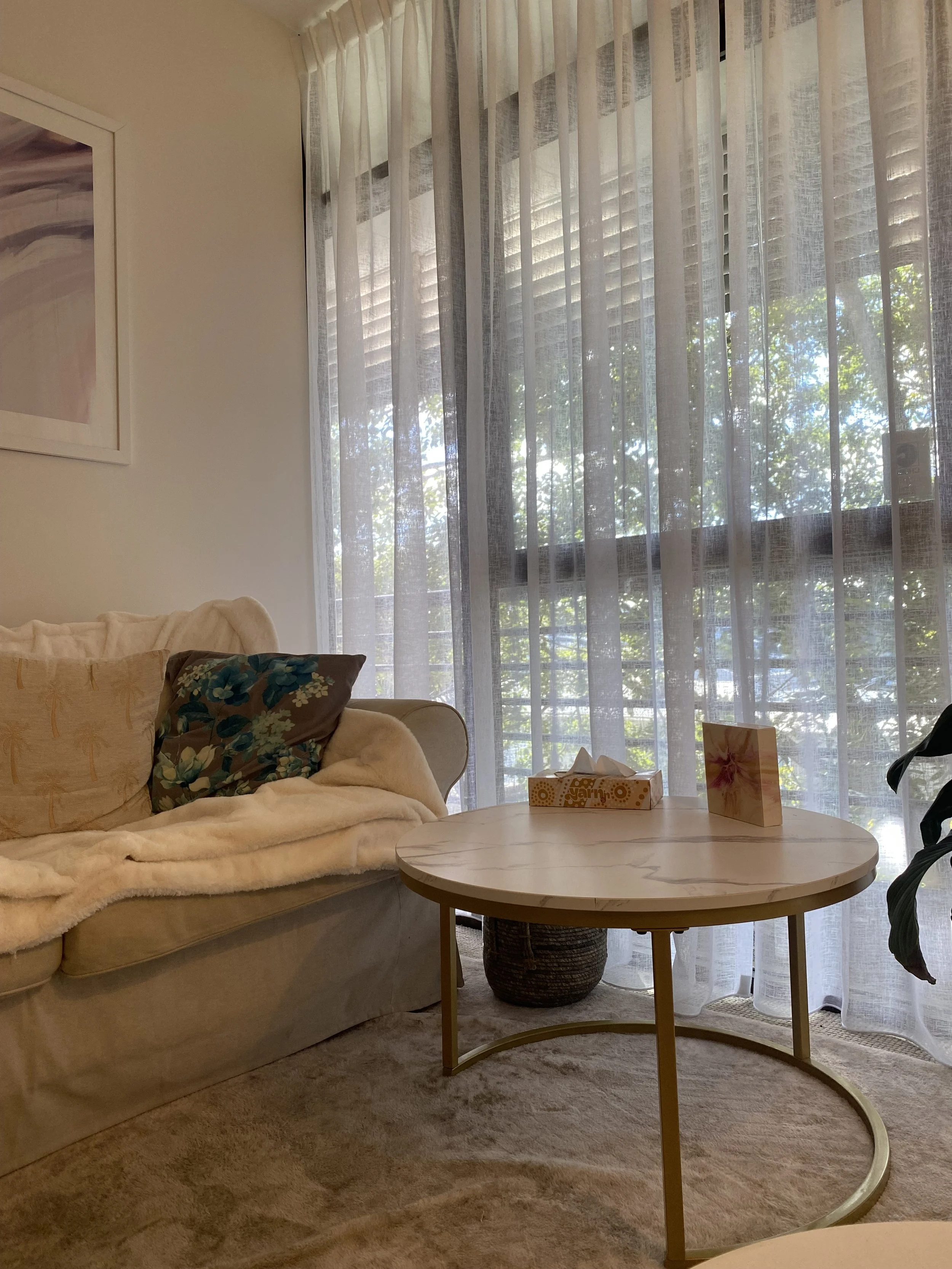
Relational, somatic, and inclusive trauma therapy for adults in Brisbane & Australia, who are navigating complex trauma, CPTSD, dissociation, attachment and relational wounds, burnout, people-pleasing, and the impacts of growing up without enough emotional safety, attunement, or support from caregivers.
Making sense of it all
Are you looking for one-to-one therapy where you can process experiences of trauma?
Life’s challenges, past experiences of trauma and loss, and times of significant change can leave deep imprints on how we feel, think, and navigate the world.
You don’t have to carry it all alone.
At Counselling with Jasmin, I offer trauma counselling and psychotherapy for adults navigating the impacts of complex trauma, developmental trauma, attachment wounds, dissociation, and chronic nervous system overwhelm.
This is a space where you don’t need to mask the truth of your experience, or have all the right words to explain it, or rush yourself towards ‘being okay’.
Together, we will create room to gently explore the patterns, protective strategies, emotions, sensations, and inner parts of you that developed in response to what you’ve lived through, with care, curiosity, and deep respect for your pace.
My approach is relational, body-aware, and non-pathologising. I see your protective strategies, patterns and behaviours as adaptations to environments, relationships, or experiences that felt overwhelming and unsafe.
Depending on your needs, we can integrate trauma-informed, somatic, and relational therapy approaches that go beyond talk therapy alone. Your body holds so much wisdom - whether in patterns of tension, nervous system responses, or sensations of stuckness - and through integrating cognitive and relational therapies with somatic (body-based) techniques, we can create deeper healing, resilience and self-trust.
📍 LOCATION
Total Wellness Therapies
Paddington, Brisbane &
Online via video link
⭐️ MEDICARE REBATE
with Mental Health Care Plan (MHCP)
(for 10 sessions per year)
MCHP Medicare rebate is approx. $87
➡️ SESSION PRICE
50 Minute Session - $200
90 Minute Session - $300
(for in-person & online sessions)
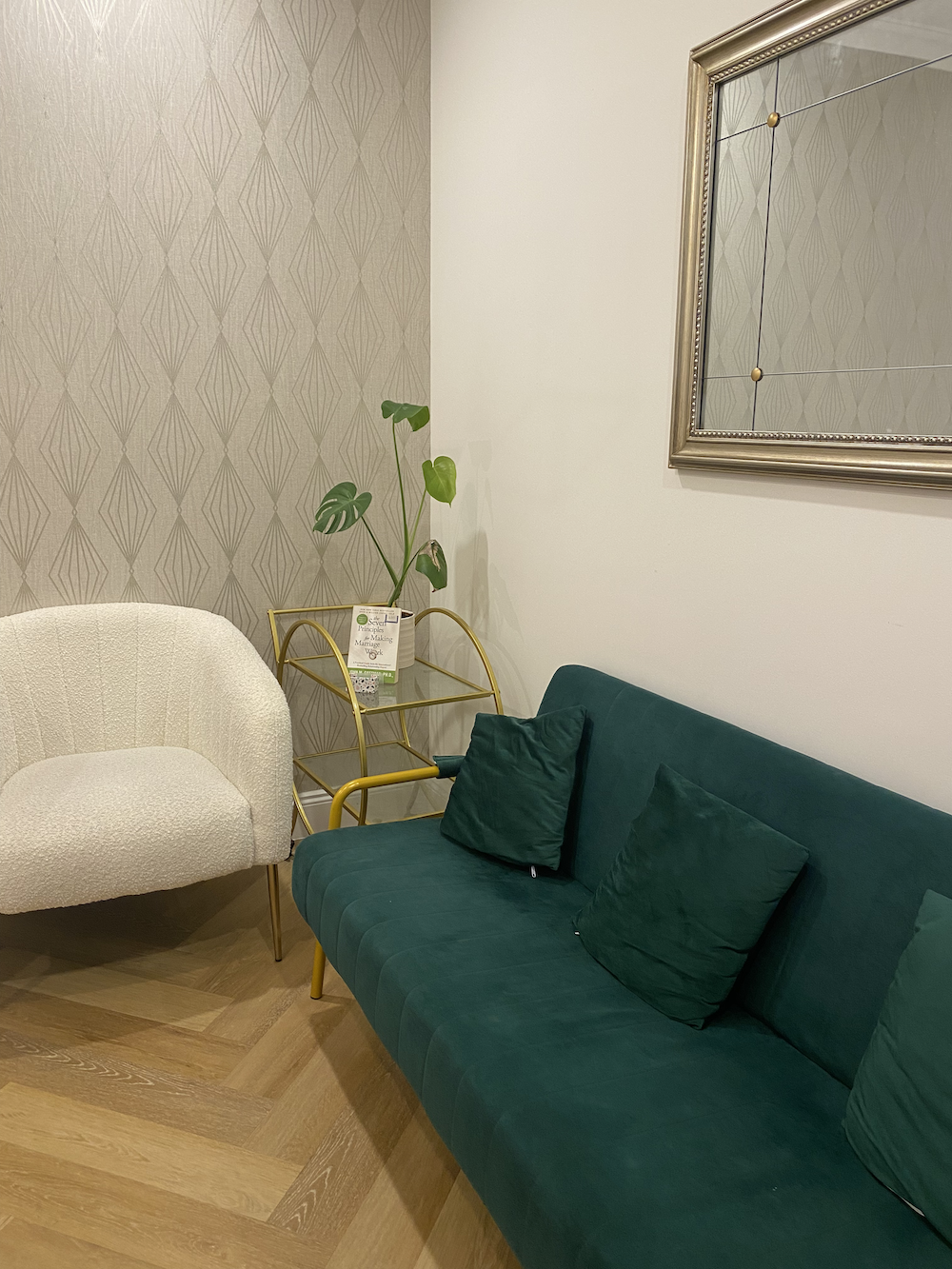
There are some experiences that live beyond words.
Trauma can stay with us in so many deep, layered ways.
It can show up as walking on eggshells around our closest people, learning to shrink ourselves to stay connected, becoming hyper-independent, never fully relaxing, feeling everything deeply, or struggling to feel anything at all.
It can show up stored in the body, expressed through chronic pain, fatigue, and nervous system dysregulation.
It can show up through chronic people-pleasing, perfectionism, or difficulty setting boundaries
If you have spent years surviving in ways that once protected you, trauma therapy can offer space to gently understand those patterns, and begin building a different relationship with yourself.
BOOK TRAUMA COUNSELLING
Experienced
I'm an accredited mental health social worker and therapist with over 15 years of experience helping adults resolve childhood trauma. I help you understand the patterns and dynamics that were formed in your early experiences. Together, we get to the heart of emotional challenges so you can process trauma, and reconnect with self and life in meaningful ways.
Trauma-Informed
In counselling, we'll work together in 3 phases: 1) Safety and Stabilisation: resourcing you with the tools and scaffolding to support you with the symptoms of trauma. 2) Processing trauma memory, so it has less of a hold on you in the present. 3) Making meaning and reconnecting to present-day life: learning what it feels life to experience joy, awe, pleasure, playfulness and to dream and create a life you love.

Evidence-Based
I work with top-down (cognitive) approaches, as well as bottom-up (somatic/body-based) approaches. Many of the ways trauma impacts us don’t only live in conscious thoughts or memories, they show up through nervous system responses, emotional patterns, tension in the body, shutdown, hypervigilance, or feeling disconnected from ourselves. Together, we work with mind and body to process what’s been carried, helping your system move from survival and protection towards greater connection, safety, and self-trust.
Counselling for trauma
When traditional talk therapy hasn’t felt like enough
I work with folks who are deeply insightful, self-aware, and have already done a lot of inner work. They’ve often tried traditional talk therapy, read the books, listened to the podcasts, and understand their patterns cognitively, but still feel stuck in the same emotional cycles.
This is often because trauma isn’t just held in our minds or thoughts. It also lives in the body, the nervous system, our relational patterns, and the deeper emotional learnings underneath our conscious awareness.
This is where relational, somatic, and experiential or “bottom-up” approaches to therapy can support healing at a deeper level.
Rather than only talking about your experiences, we might also explore:
nervous system responses
body sensations and tension patterns
emotional states and emotional learnings
protective parts of self
attachment dynamics
the places where your body learned to brace, disconnect, over-function, or stay small to survive.
What trauma therapy can support you with
If past experiences feel like they’re still shaping your present, trauma counselling can help you process, heal, and reclaim your sense of self:
Feel safer and more connected in your body and in your present-day life
Understand protective patterns and reduce shame
Build healthier boundaries and relationships
Move beyond survival mode and chronic overwhelm
Reconnect with your emotions, intuition, creativity, and aliveness
Develop greater self-trust and inner steadiness
Process grief, relational wounds, and past experiences at a pace that feels manageable
Experience more choice, presence, and connection in everyday life
If you’ve spent a long time holding things together on your own, therapy can become a space where you no longer have to carry everything in silence. You don’t need to have the right words. You don’t need to be “healed enough” to begin.
And you don’t need to force yourself to go faster than your system is ready for.
We start where you are.
A little about me
Hi, I’m Jasmin (she/her), & I’m so glad you’ve found your way here.
As a Mental Health Social Worker and Trauma Therapist, I take a holistic, inclusive approach to our work together, considering your individual needs as well as the bigger picture of your life - the relationships, environment, and social contexts that can impact our mental health.
At the heart of my work is the belief that healing happens through safe enough connection, with ourselves, with others, and with the body’s innate wisdom.
Therapy with me is collaborative and human. I’m not here to analyse you from a distance or position myself as the expert on your life. I’m here to walk alongside you with warmth, honesty, and care as we make sense of what your system has been holding.
I offer a non-judgemental space where you can show up just as you are. Together, we can make sense of what’s happening, and find pathways forward that work for you.

Neuroaffirming, LGBTQIA+ inclusive, & diversity-affirming care
I welcome people of all backgrounds, identities, and ways of experiencing the world and what it is to be human.
I work with neurodivergent and LGBTQIA+ folks, and individuals exploring identity, sexuality, gender, relationship diversity, and belonging.
I acknowledge the broader social, cultural, and systemic experiences that shape mental health and trauma. Many responses we internalise make deep sense within the context of the environments we’ve had to navigate and the social narratives and systems we intersect with.
Please note that the practice location is on the upper floor of the building, and is currently only accessible via stairs. Please let me know if you would like to discuss other options for sessions to accomodate this.
Trauma-informed counselling
The 5 Principles of Trauma-Informed Care
Safety: Prioritising a space where you can access some level of emotional and psychological safety before therapy begins, and where your experiences are respected, your pace is honoured, and your nervous system can begin to move out of fight/flight/freeze.
This might look like checking in about how you’re feeling in the room, pacing the session and content to your needs, or adjusting the environment to help you feel more comfortable.
Trustworthiness: Consistency and transparency are important pillars within therapy, so you know what to expect and can feel confident in the therapeutic relationship.
This might include clearly explaining confidentiality, session structure, and fees, and following through on what we agree together.
Choice: You are invited to make decisions about your therapy and mental health care, including what we talk about, how we work, and the direction we take together.
This might look like choosing where to sit, whether to keep shoes on or off, adjusting lighting, homework or no homework, or deciding if we pause, slow down, or change focus.
Collaboration: Therapy is a partnership. We work together to understand your experiences, draw on your strengths, and find approaches that feel meaningful and supportive for you.
This might include regularly checking in about what is or isn’t working, and shaping sessions together based on your feedback and your needs and preferences.
Empowerment: My role is to support you in reconnecting with your strengths, trusting your voice, and building confidence in your capacity to make decisions that feel right for you (having a stronger sense of agency).
This might look like identifying what matters to you, building self-trust and comfort with setting boundaries, and recognising the resilience that already exists within you.
FAQ’s
-
Trauma counselling can support you to make sense of how past traumatic experiences may still be shaping your emotions, relationships, body, nervous system, and sense of self in the present.
You might seek trauma counselling if you’re experiencing anxiety, hypervigilance, shutdown, dissociation, emotional overwhelm, people-pleasing, perfectionism, difficulty setting boundaries, or a persistent sense that you need to stay alert, in control, or disconnected to feel safe.
Together, we can explore these responses with curiosity and compassion. Rather than seeing them as something “wrong” with you, we can understand how they may have developed to protect you, even if they feel like they are no longer serving you in the present.
We can then support you to process the past and build greater safety, choice, connection, and self-trust over time. -
Yes. I work with adults (18+) navigating complex PTSD, childhood and developmental trauma, attachment and relational wounds, dissociation, and the impacts of growing up without enough emotional safety, attunement, consistency, or support.
Complex trauma is not always connected to one clearly defined event. It often arises through experiences that happened repeatedly or within important relationships, particularly when there was limited opportunity to feel safe, supported, believed, or able to get away.
Trauma therapy offers space to understand how these experiences may still be showing up in your life, while working at a pace that feels manageable for you. Depending on your needs, our work may include building safety and stabilisation, gently processing past experiences, and reconnecting with the parts of life that trauma may have made harder to access, such as rest, joy, creativity, agency, intimacy, and connection.
-
Many of the people I work with are deeply insightful and have already done a lot of thinking, reading, reflecting, or talking about their experiences in therapy.
You may understand where your patterns come from and still find that your body reacts, the same relationship dynamics repeat, or certain emotions and situations continue to feel overwhelming.
This can happen because trauma does not only live in our conscious thoughts or memories. It can also be held in nervous-system responses, emotional learnings, body sensations, relational patterns, and protective parts of self.
Our work can draw on relational, somatic, and experiential approaches (like parts work) alongside cognitive therapies. Rather than only asking, “What do I think about this?”, we can also gently explore what your body has learned, what your protective responses are trying to do for you, and what might help your system experience something different in the present.
-
No. You don’t need a diagnosis or Mental Health Care Plan to book trauma counselling with me. You’re welcome to attend as a private-paying client, and you don’t need to identify your experiences in any particular way before reaching out.
As an Accredited Mental Health Social Worker, I can also provide trauma therapy under a Mental Health Treatment Plan from your GP. If you have a current plan and referral, you may be eligible for Medicare rebates for up to 10 individual mental health sessions per calendar year.
If you’re unsure whether your referral is current or whether Medicare rebates apply, you’re welcome to get in touch before booking.
There are also some private health insurers who will provide cover for sessions with Mental Health Social Workers. I recommend checking with your individual plan and insurer to confirm.
-
Yes. I offer online trauma counselling via secure video to adults across Australia, as well as in-person appointments in Paddington, Brisbane.
Online counselling can offer a little more flexibility and allow you to join sessions from a familiar environment.
We can work together to consider what helps the space feel private, comfortable, and supportive for you.
Some people prefer online therapy, while others feel more supported meeting in person. You’re welcome to choose the format that feels most accessible and workable for you, and we can revisit that choice if your needs change.

Ready to reach out?
Trauma counselling is available In-Person (Paddington, Brisbane) + Online (Australia-wide).
I offer trauma counselling in Paddington, Brisbane, and Online Australia-wide. Medicare rebates may be available with a current Mental Health Care Plan from your GP.